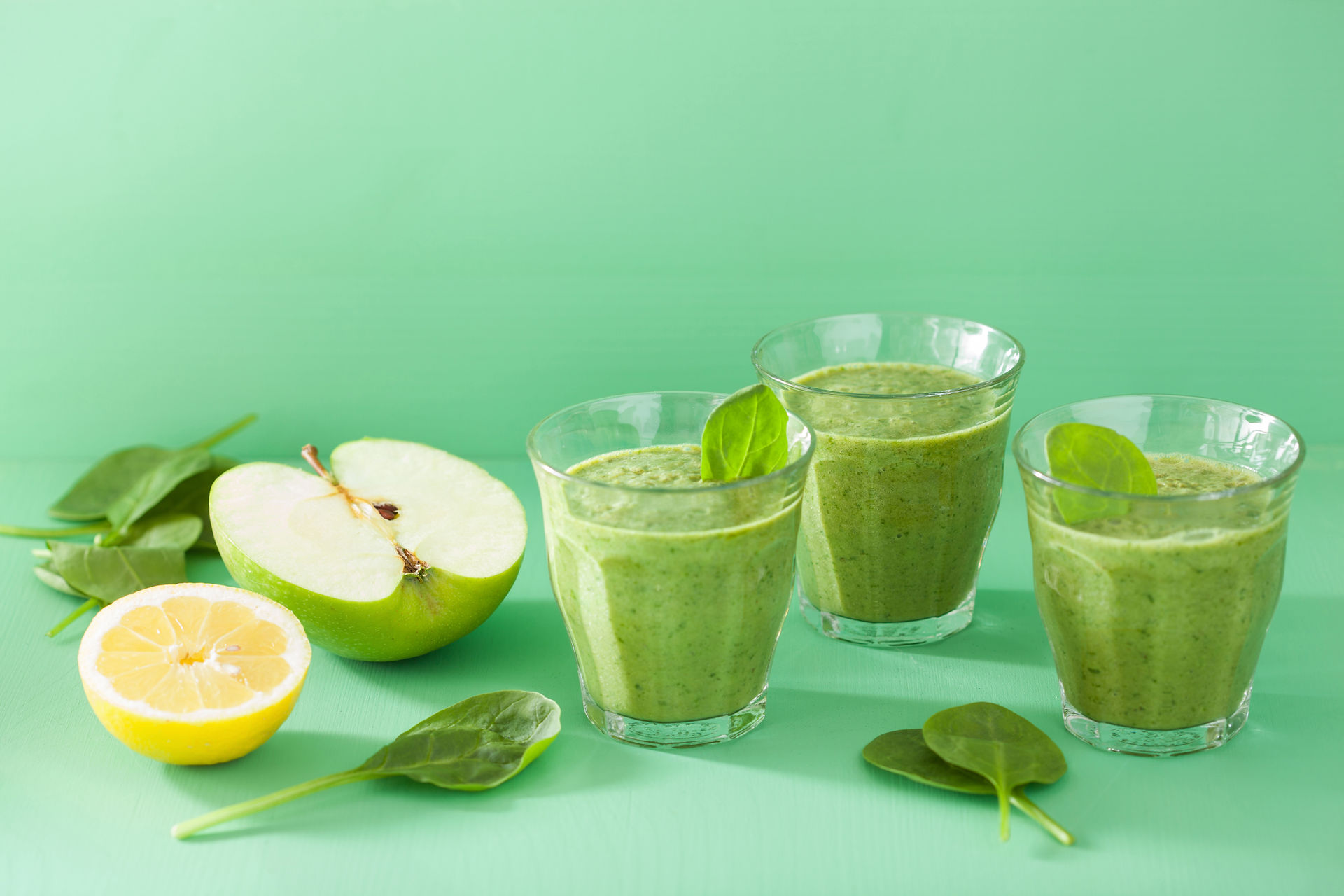

Eat With the Season: A Healthy Winter Diet From Your Gujarati Kitchen

Key takeaway: In winter, fill half your plate with seasonal vegetables and greens, choose bajra or other whole grains, add dal or curd to every meal, and keep fried snacks and sweets small.
Winter is the best time of the year for food in Gujarat. The sabzi market is full of methi, palak, lilva tuver, vatana, gajar, mooli, amla and guava. It is also the season of undhiyu, chikki, adadiya and wedding dinners.
So winter can go either way. It can be the healthiest season of your year, or the one that adds a few kilos. This guide shows how to use the season's food well, in your own kitchen, without strict rules.
Why eat with the season?
Fresh and tasty: seasonal vegetables reach you fresh, so they taste good with less oil and masala.
Easier on the pocket: when a vegetable is in season, it is plentiful and usually cheaper.
More colour, more variety: green methi, orange gajar, red tomatoes, purple kand. Different colours bring different nutrients, so variety helps.
Easier to eat enough vegetables: the ICMR-NIN Dietary Guidelines for Indians (2024) suggest about 400 g of vegetables and about 100 g of fruit a day. WHO also advises at least 400 g of fruit and vegetables daily. Most of us eat less than this. Winter makes it easier.
Winter foods to bring into your Gujarati kitchen
1. Green leafy vegetables
Methi, palak, suva (dill), green garlic and green onion. Leafy greens give fibre, folate, iron and other minerals. Add a handful to thepla, muthiya, dal, khichdi, kadhi or any sabzi.
2. Fresh beans and peas
Lilva tuver, vatana, papdi and valor. They add plant protein and fibre, which keep you full for longer. Use them in sabzi, pulao, khichdi or a light undhiyu.
3. Roots and tubers
Gajar, mooli and beetroot are lovely raw, in a salad or kachumber. Shakkariya (sweet potato), kand (purple yam) and potato are starchy, so count them as part of your roti-rice portion, not as an extra vegetable.
4. Bajra and other millets
Bajra rotla is a true winter favourite. As a whole grain, bajra gives more fibre than maida or refined flour. The ICMR-NIN guidelines advise choosing whole grains and millets more often than refined cereals. Rotate bajra with jowar, whole wheat and rice through the week.
5. Winter fruits
Amla and guava are among the richest sources of vitamin C in Indian food (Indian Food Composition Tables, 2017). Oranges are good too. Eat fruit whole, not as juice. Chikoo and sitafal are sweeter, so keep portions small if you are watching your sugar or weight.
6. Til, peanuts and jaggery
Til (sesame) and peanuts give healthy fats, but they are high in calories. Jaggery (gur) is still sugar for your body. WHO advises keeping free sugars below 10% of daily energy. So enjoy chikki or adadiya as a small piece on special days, not as a daily habit.
Enjoy undhiyu, the lighter way
Undhiyu is the star of the Gujarati winter. Restaurant and shop versions are often very oily, with deep-fried muthiya. At home, you can keep the taste and lose much of the oil:
Steam or air-fry the methi muthiya instead of deep-frying them.
Use more papdi, lilva, vatana and brinjal, and fewer potatoes and kand.
Measure the oil with a spoon instead of pouring from the bottle.
Eat it with rotli or bajra rotla, not puri.
Add a bowl of kachumber and a glass of chaas on the side.
Winter weight gain: 5 habits that help
Start with vegetables. Begin lunch and dinner with a bowl of salad or a clear vegetable soup.
Keep fried snacks for occasions. Fafda, puri and bhajiya are fine sometimes, not every day.
Plan your wedding plate. Fill half the plate with salad and sabzi first, take one small sweet, and skip second helpings of fried items.
Keep drinking water. We feel less thirsty in the cold, so keep a bottle nearby through the day.
Walk in the pleasant weather. WHO advises adults to get at least 150 minutes of moderate activity a week, for example a brisk 30-minute walk on 5 days.
A sample winter day (vegetarian)
Early morning: a glass of water and a few soaked almonds or a small handful of peanuts.
Breakfast: 2 methi thepla made with little oil and a bowl of curd, or vegetable poha with peas and peanuts.
Mid-morning: 1 guava or 1 orange.
Lunch: gajar-mooli salad, 1 bajra rotla or 2 rotli, lilva-vatana sabzi, a bowl of dal and a glass of chaas.
Evening: tea with less sugar and a handful of roasted chana, or a fresh amla.
Dinner: winter vegetable bajra khichdi (recipe below) with curd, or a mixed vegetable soup with a moong dal chilla.
Portions depend on your age, activity and health. This is only an idea to show how the season fits into a normal day.
Recipe: Winter vegetable bajra khichdi
Serves 3. A one-pot meal with a whole grain, a dal and plenty of winter vegetables.
Ingredients
½ cup broken bajra (bajra dalia), or whole bajra soaked overnight
½ cup yellow moong dal
1 cup mixed winter vegetables: lilva tuver, green peas and chopped gajar
1 cup chopped methi or palak
2 tbsp chopped green garlic
1 tsp ghee or oil, ½ tsp jeera, a pinch of hing, ¼ tsp haldi
Salt to taste (go easy) and about 4 cups of water
Method
Wash the bajra and moong dal well. If you use whole bajra, soak it overnight.
Heat the ghee or oil in a pressure cooker. Add jeera, hing and green garlic.
Add the vegetables, greens and haldi. Stir for 2 minutes.
Add the bajra, dal, water and salt. Pressure-cook for 5–6 whistles (about 8 for whole bajra), until soft.
Serve hot with a bowl of curd or chaas and a plate of salad.
Why it works: whole grain, dal and vegetables in one pot give fibre and plant protein, so the meal is filling without extra oil.
If you have a health condition
If you have diabetes, thyroid problems, high blood pressure or kidney disease, or if you are pregnant, your portions and food choices may need changes. For example, starchy vegetables and jaggery sweets matter more with diabetes, and some people with kidney disease are asked to limit certain vegetables. Please consult a qualified dietitian or your doctor, and keep taking your medicines as advised.
Frequently asked questions
Is it okay to eat bajra rotla every day in winter?
For most people, yes. Bajra rotla can be a regular part of winter meals. For variety, rotate it with jowar, whole wheat and rice, and keep the ghee on top to a small amount.
Is jaggery healthier than sugar?
Jaggery has small amounts of minerals, but your body still treats it as sugar. WHO counts it within free sugars, which should stay below 10% of daily energy. Treat gur, chikki and adadiya like any other sweet.
Can people with diabetes eat undhiyu?
Often yes, in a sensible portion: made with less oil, with fewer potatoes and kand, and eaten with rotli rather than puri. Check your own sugar readings and follow your doctor's advice.
Do we need to eat more food in winter?
Many people feel hungrier in winter, but most of us do not need extra calories unless we are more active. Fill that extra hunger with vegetables, salads and soups rather than fried snacks and sweets.
Want a winter plan made for you?
Every family and every kitchen is different. In a session, we plan around your own food, your routine and your reports, and you get a new diet chart every week on a monthly plan. Start with the free guide, or book your first session.
About the author: Dt. Binjal Shah
Dt. Binjal Shah is a dietitian and certified diabetic educator with an M.Sc. in Food Science & Nutrition and more than 11 years of experience. Through Nutriotherapy, she offers fully online diet plans for weight loss and weight gain, PCOD, diabetes, thyroid, high blood pressure, heart health, pregnancy and children, built around home-cooked Indian food.
This article is for general information. It does not replace advice from your own doctor or dietitian.



Comments