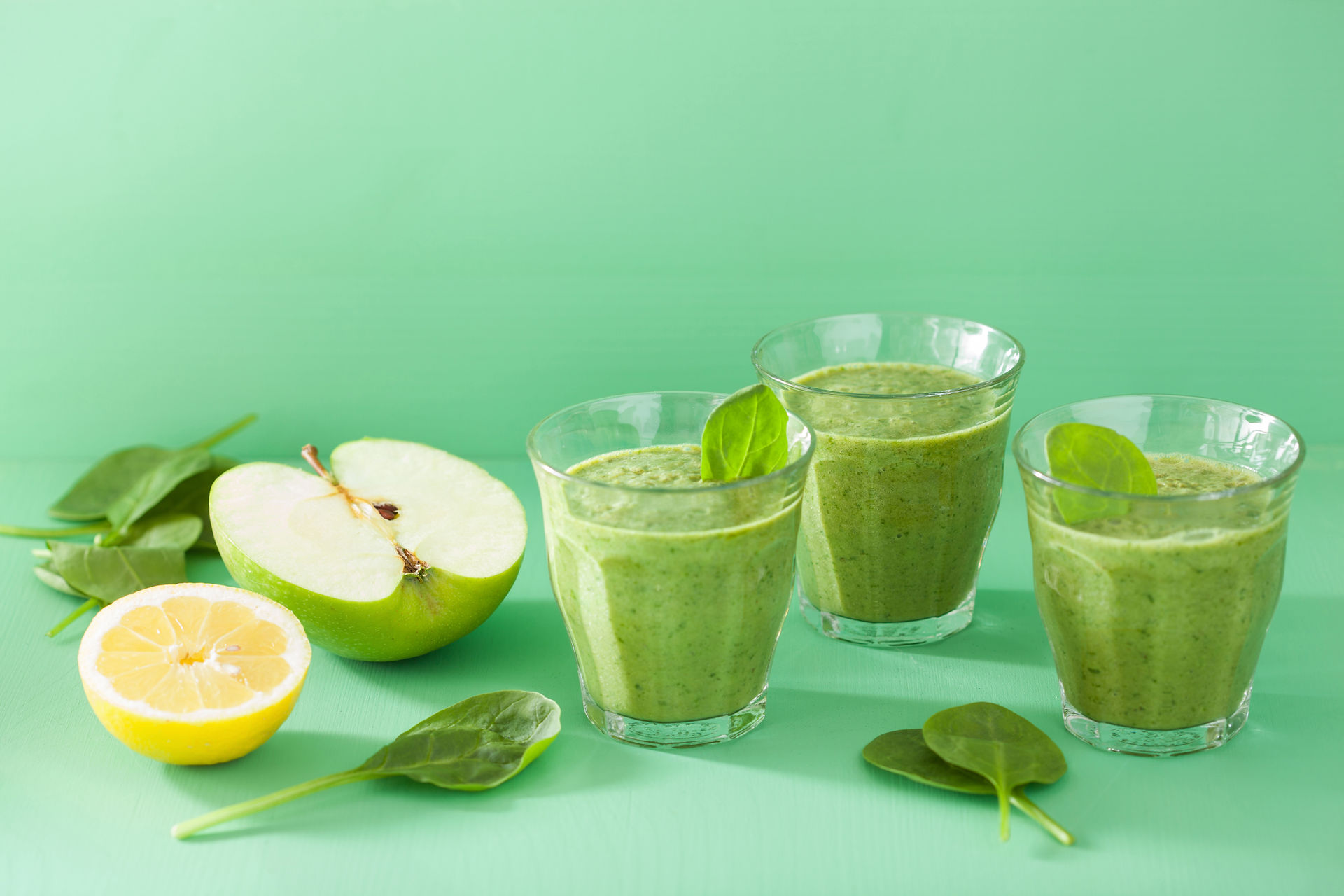

Diabetes Diet Chart for Indians: A Simple Vegetarian Guide From a Dietitian

Key takeaway: a diabetes diet does not mean giving up roti, rice or fruit. It means the right portions, more vegetables and protein on your plate, and a steady daily routine.
World Diabetes Day falls on 14 November. According to the World Health Organization (WHO), about 830 million people were living with diabetes in 2022. In many Indian homes, a diagnosis brings a long list of "banned" foods and a lot of worry.
The good news: you can eat well with diabetes using the same dal, sabzi and rotli you already cook. This guide gives you a simple Indian vegetarian diabetes diet chart, a sample day, easy swaps and a recipe.
Please note: this guide is general information for adults with type 2 diabetes or prediabetes. If you have diabetes or any medical condition, consult a qualified dietitian or doctor before changing your diet, and never change your medicines on your own.
What the evidence says about eating for diabetes
Diabetes is a long-term condition in which the body does not make enough insulin or cannot use it well. Insulin is the hormone that moves sugar (glucose) from the blood into the body's cells. Food choices have a direct effect on blood sugar, which is why diet matters so much.
There is no single "diabetes diet". The American Diabetes Association (ADA) says several eating patterns can work, including a vegetarian one. The best plan is one you can follow for the long term.
More vegetables and pulses, less sugar, salt and fat. The ICMR-NIN Dietary Guidelines for Indians (2024) advise eating a variety of foods, more vegetables and legumes, and moderate amounts of salt, sugar and fat.
Whole fruit is better than juice. An Indian review on nutrition for type 2 diabetes recommends whole fruits and vegetables over juices, and limiting sugar, sweets and sugary drinks.
Movement matters too. WHO advises at least 150 minutes of moderate activity, such as brisk walking, every week.
The diabetes plate method: the easiest diet chart

The Diabetes Plate from the ADA is a simple way to plan any meal without counting calories. Take a plate about 9 inches (around 23 cm) wide and divide it like this:
Half the plate: non-starchy vegetables. These are low in carbohydrate and high in fibre.
One quarter: protein foods.
One quarter: good-quality carbohydrate foods, such as whole grains, pulses or fruit.
Drink: water or other drinks without sugar.
How it looks on an Indian vegetarian plate
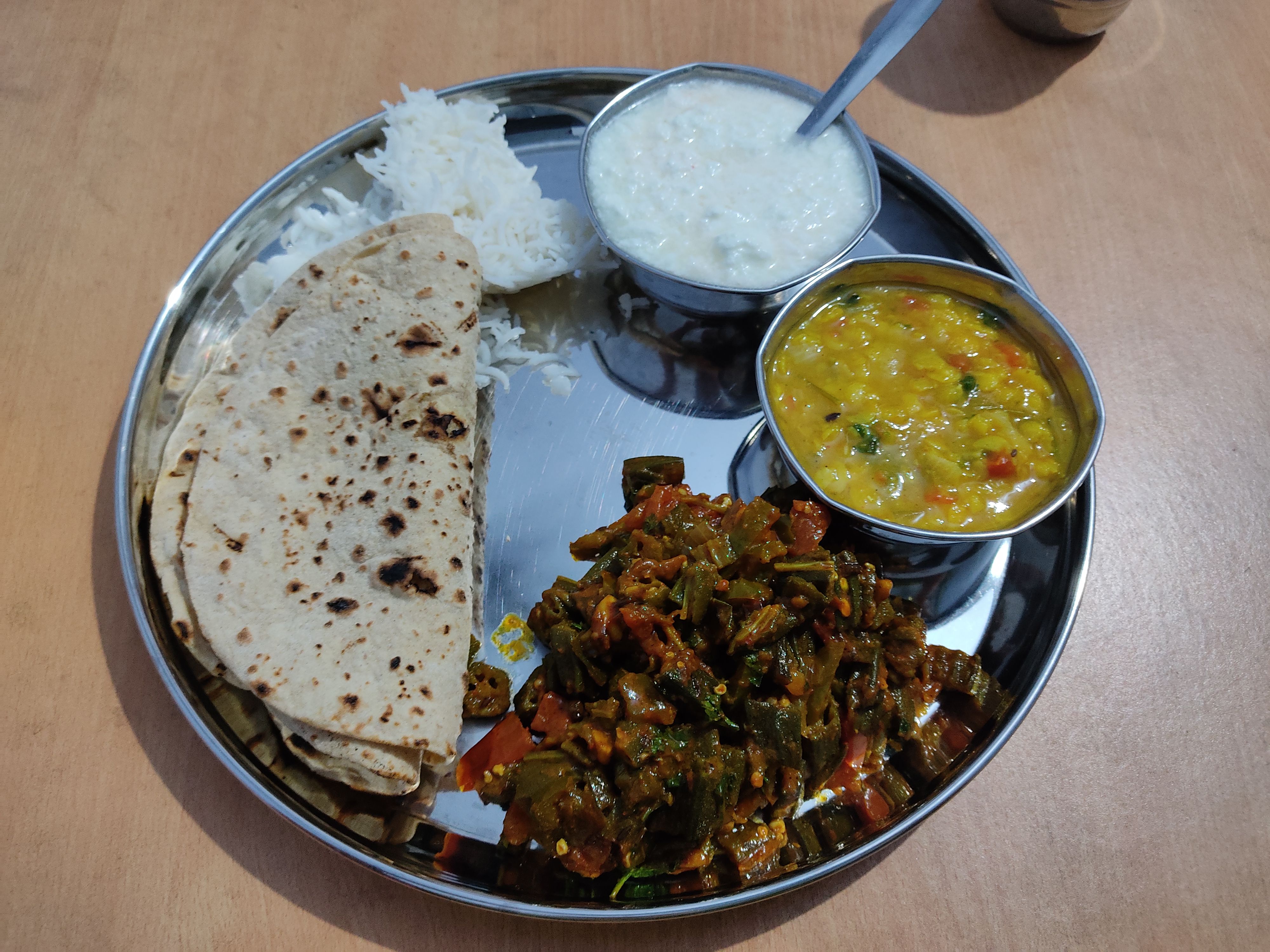
Half: a sabzi such as bhindi, dudhi, cabbage, gobi, methi or palak, plus a kachumber salad of cucumber, tomato, onion and carrot.
One quarter (protein): dal, chana, rajma, sprouts, paneer, tofu or a bowl of curd.
One quarter (carbohydrate): 1–2 rotlis (whole wheat, bajra or jowar) or a small katori of rice. Choose one; do not take full portions of both.
This simple change, filling half your thali with vegetables first, is often the biggest step for many families.
Sample one-day Indian vegetarian diabetes diet chart
This is a sample only. Your portions depend on your weight, activity, medicines and sugar readings, so a personal plan from a dietitian will look a little different.
Early morning: a glass of water; tea or coffee without sugar; 4–5 soaked almonds or 2 walnut halves.
Breakfast: 2 methi moong dal chillas (recipe below) with curd or mint chutney, or a bowl of vegetable upma made with more vegetables than rava.
Mid-morning: 1 whole fruit, such as a guava, an orange, an apple or a small bowl of papaya.
Lunch (plate method): 1 bowl sabzi + salad, 1 bowl dal, 2 rotlis or 1 rotli with a small katori of rice, and unsweetened buttermilk (chaas).
Evening: tea without sugar with a small bowl of roasted chana, roasted makhana or sprouts chaat.
Dinner (2–3 hours before bed): a bowl of vegetable khichdi made with more dal and vegetables than rice, with kadhi or curd and a salad. Or 2 bajra-methi theplas with curd and a sabzi.
If you take insulin or tablets that lower blood sugar, do not skip meals and follow your doctor's advice on meal timing.
Smart swaps for your Gujarati kitchen
Sugary chai → chai with less sugar, then none (reduce slowly over 2–3 weeks)
Fruit juice → one whole fruit
Fried farsan → roasted chana, makhana or sprouts
Maida biscuits and bakery snacks → a small portion of whole-wheat or bajra khakhra
A big plate of white rice → a small katori of rice mixed with dal and vegetables
Daily mithai → keep sweets for occasions, one small piece after a meal
Foods to limit (not "never")
Sugar, jaggery and honey in tea, sweets and desserts. Jaggery and honey are also sugar.
Sugary drinks: packaged juices, soft drinks, sweetened lassi and sharbat.
Deep-fried snacks, and food cooked in oil that has been reused again and again.
Maida-based bakery items and ultra-processed packaged foods.
Extra salt: pickles, papad and namkeen. This also helps your blood pressure.
Recipe: Methi moong dal chilla (serves 2)
A quick, protein-rich breakfast that suits the whole family.
Ingredients
½ cup yellow moong dal, soaked for 3–4 hours
1 handful fresh methi leaves, finely chopped
1 small onion, finely chopped
1 green chilli and a small piece of ginger
A pinch of hing, salt to taste
2 teaspoons oil in total
Method
Drain the dal and grind it with the ginger, chilli and a little water into a smooth batter.
Mix in the methi, onion, hing and salt.
Spread a ladle of batter thinly on a hot non-stick tawa. Add a few drops of oil.
Cook both sides until golden. Serve hot with curd or mint chutney.
Why it works: moong dal gives protein, methi adds fibre, and it uses very little oil.
Everyday habits that help
Eat at regular times. Long gaps followed by a heavy meal make blood sugar harder to manage.
Watch the portion, not just the food. Two rotlis and three rotlis are very different meals.
Move every day. Aim for at least 150 minutes a week. Short walks, for example after meals, are an easy way to add up minutes.
Check your sugar as advised and keep your follow-up visits with your doctor.
Sleep well and manage stress. Both affect your eating habits and your energy.
When should you see a dietitian?
A personal plan helps most if you were recently diagnosed, have prediabetes, take insulin, are pregnant, or also have thyroid, high blood pressure, PCOD or kidney concerns. A dietitian looks at your reports, routine, family meals and food likes, and builds a chart you can actually follow.
At Nutriotherapy, every client gets a new diet chart each week, made for their routine and Gujarati or Indian home food. All plans are fully online. See all plans, or start with a single session.
Frequently asked questions
Can a person with diabetes eat rice?
Yes, in a small portion. Take a small katori of rice with dal, vegetables and curd rather than a big plate on its own. You can also mix in brown rice or millets. Your dietitian can help you find the right amount.
Is fruit allowed in diabetes?
Yes. Whole fruit, in a sensible portion, can fit into a diabetes diet. Have one fruit at a time, preferably between meals, and choose whole fruit over juice.
Is jaggery or honey better than sugar for diabetes?
No. Jaggery and honey are also forms of sugar and can raise blood sugar in the same way. Limit all three.
Which roti is best for diabetes?
Whole-wheat, bajra, jowar or multigrain rotlis are good choices because they have more fibre than maida. But portion matters just as much as the type of flour.
About the author: Dt. Binjal Shah
Dt. Binjal Shah is the founder of Nutriotherapy, an online diet clinic based in Ahmedabad. She holds an M.Sc. in Food Science & Nutrition, is a certified diabetic educator and has more than 11 years of experience. She creates practical, home-food diet plans for weight loss and gain, diabetes, PCOD, thyroid, blood pressure, heart health, pregnancy and children.
Book your first session
Want a diabetes diet chart made for your body, your reports and your family's food? Book a one-to-one online consultation with Dt. Binjal Shah for ₹1,200. Use coupon code FIRSTCONSULTATION.
Book a Session at nutriotherapy.com
Sources
World Health Organization. Diabetes – fact sheet. who.int
American Diabetes Association. Eating for diabetes management (meal patterns). diabetes.org
American Diabetes Association, Diabetes Food Hub. What is the Diabetes Plate? diabetesfoodhub.org
ICMR-National Institute of Nutrition. Dietary Guidelines for Indians, 2024. nin.res.in
Viswanathan V, et al. Insights on Medical Nutrition Therapy for Type 2 Diabetes Mellitus: An Indian Perspective. Advances in Therapy, 2019;36(3):520–547. link.springer.com


Comments